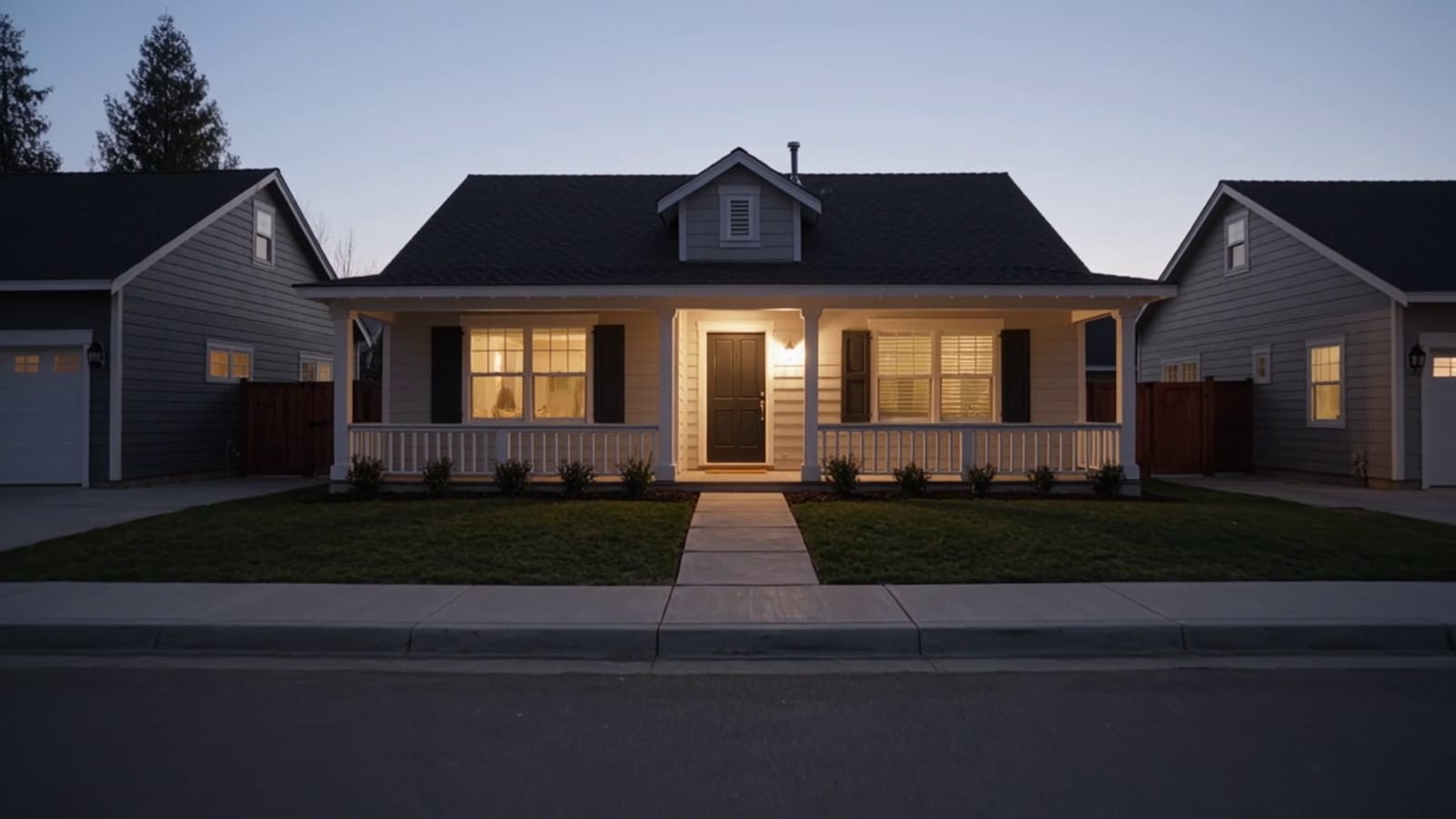
If your house is not selling in 2026, you are in good company. Across Dallas-Fort Worth, Norman, Oklahoma City, and the surrounding communities, homeowners are discovering that the market has shifted. Listing on Thursday and picking from multiple offers by Sunday is largely behind us. Buyers are more cautious, financing costs more, and there is more inventory to choose from than a few years ago.
The good news is that homes are still selling every day. The fix is understanding what changed and adjusting the strategy to match. This post covers the common reasons a house sits and what a seller can do about each one.
The short version
A house that is not selling in 2026 is usually priced above what recent sold comparables support, needs repairs that financed buyers will not take on, or is being presented poorly online. Higher mortgage rates have shrunk what buyers can afford, so they are choosier and negotiate harder. The fixes, in order of impact: correct the price, address or price in the repairs, upgrade the photos and listing copy, and offer flexibility on terms. If the house does not fit the traditional market at all, an as-is or off-market sale is a legitimate alternative rather than a last resort.
How has the market changed since the boom?
Buyers have more choices and more time, so sellers now compete for attention instead of waiting for offers. Many owners still compare today’s market to the 2021 through 2023 stretch, when inventory was extremely low, mortgage rates were historically low, and buyers competed aggressively. In 2026, buyers look at more houses, take longer to decide, and expect the seller to earn the offer. That is not a broken market. It is a normal one, and it rewards preparation.
Is my house priced too high?
If showings are thin and offers are absent, price is the first suspect. Pricing is the most common reason a home sits, and it is the one factor a seller fully controls.
Many sellers anchor on what a neighbor got months ago or what an online valuation tool suggests. Buyers anchor on today’s conditions and today’s competing listings. Signs a house is overpriced:
- Few showings in the first weeks on market.
- No offers, or only offers far below list.
- Consistent feedback about value from buyers and their agents.
- Similar homes selling faster at a lower price.
A strategic price adjustment usually generates more interest than more weeks of marketing. Online estimates are a particularly weak anchor here; our post on why AI home value estimates miss in Texas explains why.
Are buyers walking away because of repairs?
Often, yes. With higher monthly payments, buyers strongly prefer move-in ready homes, and their lenders may require certain items to be fixed before funding. The issues that discourage buyers most:
- Aging roofs
- Foundation concerns
- Outdated kitchens and baths
- HVAC problems
- Visible cosmetic damage
If the repairs are cosmetic, doing them before or during the listing tends to pay for itself. If they are major and not feasible, an as-is sale with the price adjusted for the work, or a direct sale to a buyer who plans to renovate, is worth considering. Our guide to selling a house that needs repairs in 2026 walks through the options.
How are interest rates affecting my sale?
Higher rates shrink the pool of buyers who can afford a given price, and the ones who remain negotiate harder. Mortgage rates remain one of the biggest challenges in 2026, and buyers respond predictably: they look at lower-priced homes, negotiate more aggressively, take longer to commit, and ask for seller concessions toward closing costs or a rate buydown. Understanding affordability from the buyer’s side helps a seller position the house, and sometimes a modest concession does more than a price cut because it lands directly in the buyer’s monthly payment.
Is my listing failing to stand out online?
If buyers never schedule a showing, the listing itself may be the problem. Almost every buyer starts online, and weak photos or a thin description get scrolled past.
A strong listing includes:
- Professional photography, which remains one of the most worthwhile expenses a seller has.
- An accurate, specific description that names the upgrades and the layout.
- Highlighted improvements with dates where you have them: roof, HVAC, windows, water heater.
- Nearby amenities and commute context, described factually (parks, trails, retail, highway access). Keep the listing about the property and the geography, not about who lives nearby.
Our note on what a full-service DFW listing includes shows what good presentation looks like when the brokerage handles it.
Would more flexibility help?
Yes. Flexible sellers attract a larger pool of buyers. That can mean concessions toward closing costs, an extended closing timeline, a leaseback so the seller has time to move, or in some cases owner financing for a buyer who cannot use a bank. Flexibility is not a discount; it is a way to make the same price work for more buyers.
What are the alternatives to a traditional listing?
Not every property fits the open market, and the alternatives are legitimate paths rather than fallbacks. Options include:
- An off-market sale, selling directly to a buyer without listing publicly. Our cash offers come in writing through our principal buying arm, NTX Realty Trust.
- An as-is sale, on or off the market, that avoids repairs, staging, and showings.
- Seller financing, which creates flexible terms for buyers who cannot qualify traditionally. See seller financing opportunities.
- An investor purchase, for situations that need solving quickly.
These options are especially useful for inherited properties, landlord-owned homes with tenants in place, and houses that need significant work.
What should a seller ask when the house is not moving?
Run through five questions honestly:
- Is my price aligned with what has actually sold nearby in the last few months?
- Does the property need repairs that buyers are reacting to?
- Are buyers getting enough information and good enough photos to want a showing?
- Am I willing to offer incentives or flexibility on terms?
- Would an alternative selling strategy make more sense for this house and my timeline?
The answers usually point to one or two fixes, not a full rethink.
Frequently asked questions
Why is my house not selling in 2026?
The most common causes are a price above recent sold comparables, repair needs that financed buyers avoid, or weak online presentation. Higher mortgage rates make buyers pickier, so any one of those is enough to stall a listing.
Should I take my house off the market and relist later?
Sometimes, particularly if the listing has aged badly. But relisting without changing the price, the condition, or the presentation tends to produce the same result. Fix the underlying issue first.
Can I sell a house that is not selling without making repairs?
Yes. You can list it as-is with the price adjusted for the work, or sell directly to an investor who will take the house in its current condition. Both avoid funding repairs up front.
Where we land on it
A house that is not selling does not mean something is wrong with the property. More often, the market changed and the strategy has to change with it. Whether the goal is to maximize price, sell quickly, avoid repairs, or explore creative options, understanding today’s conditions in Texas and Oklahoma is the first step. Our residential real estate services are built to evaluate all of those paths with you, and our companion post on why homes take longer to sell in 2026 covers the bigger picture. Nothing here is legal, tax, or lending advice; talk to your attorney, CPA, or lender about your specific situation.
Enjoying these? We publish straight talk like this twice a week. Follow us on Linktree to keep up with everything we are working on, from new tools to new markets.