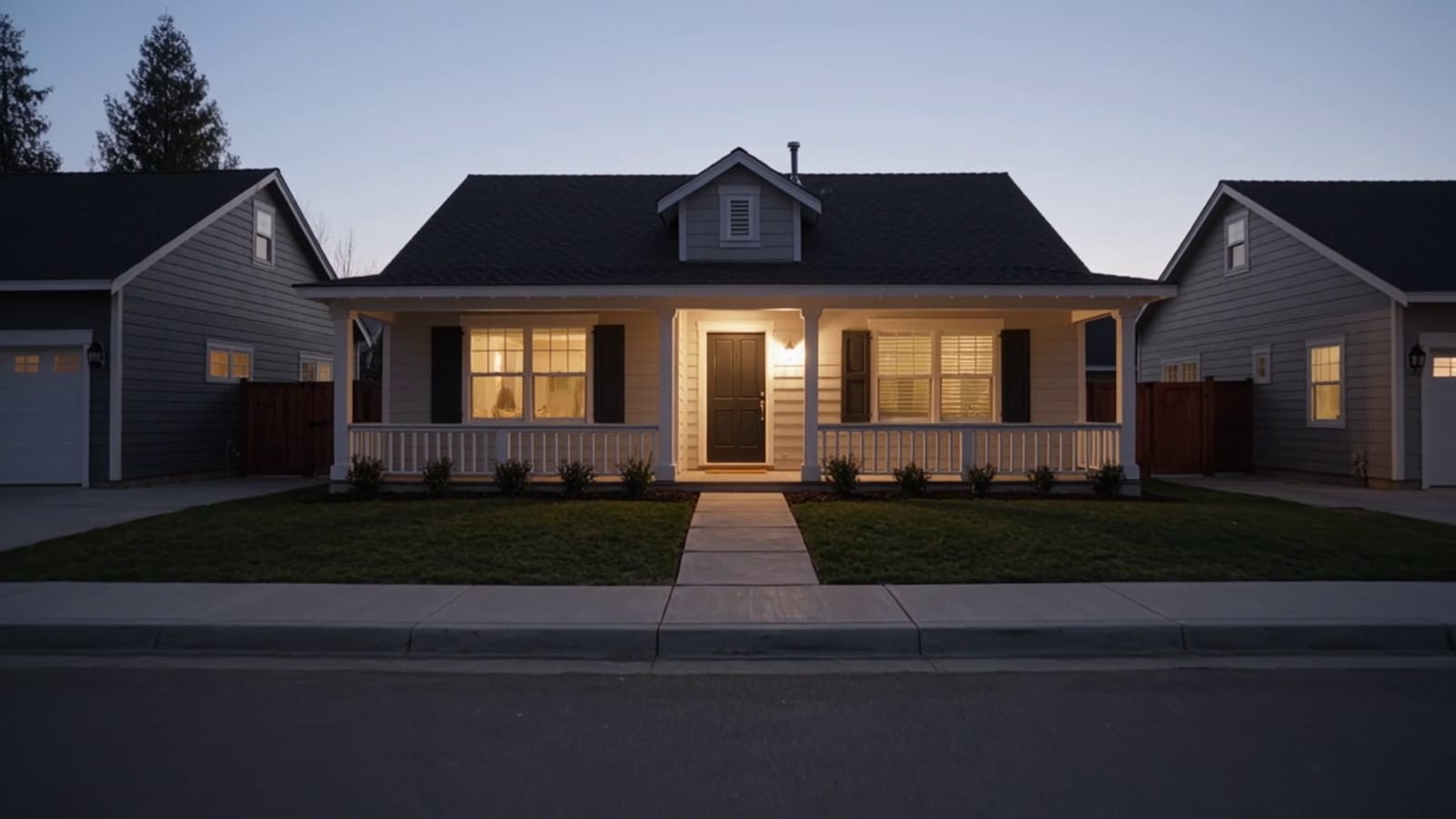
That perfectly furnished living room in the listing photos may not contain a single real object. Virtual staging and AI photo enhancement are now standard tools, and used honestly they are harmless: an empty room with tasteful digital furniture helps you imagine the space. The problem is the line between helping you imagine and hiding what is there, and as a buyer you should know where that line legally sits, because it is thinner than you would guess.
The short version
In Texas and Oklahoma, no state law requires anyone to tell you a listing photo was digitally altered. Your protection is MLS rules and the Realtor ethics code, which prohibit photos that misrepresent the property, plus your own eyes. Learn the visual tells, ask the listing agent in writing whether photos were altered, and never let a photo substitute for an inspection.
What are the actual rules on altered listing photos?
It depends on where the listing lives, which surprises most buyers.
In the DFW area, the MLS rule is on the stricter end: listing photos must be true, current photographs without digitally enhanced modifications that would misrepresent the property’s real condition or appearance. Even an artificially bluer sky or greener lawn can cross that line if it paints an inaccurate picture. In the Oklahoma City metro, the MLS standard is that photos must be accurate representations of the property and not misleading.
On top of that, the Realtor Code of Ethics prohibits presenting a deceptive or misleading picture in any listing content. What neither state has is a statute. California became the first state to pass an actual law requiring conspicuous disclosure of digitally altered listing images, with access to the unaltered original, effective at the start of 2026. Texas and Oklahoma have nothing equivalent, so enforcement here runs through the MLS and the ethics process, which only works when someone notices and complains.
AI-written listing descriptions, for what it is worth, require no disclosure anywhere. The words just cannot be misleading.
How can I tell a photo has been staged or altered?
The tells are learnable, and design professionals who review these images point to the same handful:
- Furniture that does not quite sit in the room. Legs that hover above the floor, rugs that slide under walls, shadows that fall the wrong direction from the windows, lamps with no cords.
- Scale that flatters the room. Virtual stagers can use a slightly undersized bed or sofa to make a small room read bigger. If a king bed leaves generous walking space in a modest bedroom, be suspicious.
- The same aesthetic in every room. AI staging tools have a house style. When every space looks like the same catalog, it probably is.
- Perfect skies and lawns. Compare against the street view on the map apps, and pull the property’s prior listing photos, which the big portals keep. A roof, yard, or facade that improved dramatically between listings without a permit on file tells you something.
Also read the photo captions and agent remarks, and look at the last few photos in the set. Honest listings usually disclose staging there, and some include the true vacant shot.
What should I do before writing an offer?
Three things, none of them complicated.
Ask the direct question in writing. “Have any of these photos been altered, enhanced, or virtually staged? Please send the unaltered originals.” An honest agent answers in one email. A dodge is an answer too.
See the property, or send someone who represents you. A photo shows potential furniture. It does not show floor condition, wall damage, smells, street noise, or how the rooms actually feel. Digital staging can sit right on top of problems a camera would otherwise show.
Do not waive the inspection because the photos look clean. This was true before AI and it is doubly true now. The photos are marketing. The inspection is evidence.
Frequently asked questions
Is virtual staging legal in Texas and Oklahoma?
Yes, when it does not misrepresent the property, and disclosure practice varies. There is no state law on it in either state; MLS rules and the Realtor ethics code are the governing standards, and the DFW rule is stricter than most buyers assume.
Can I trust the listing photos at all?
Mostly, yes. The majority of agents use staging and editing honestly, and the MLS rules give them a real reason to. Trust, then verify: the tells above take about a minute per listing once you know them.
Does an AI-written description matter?
Less than photos. Descriptions are puffery by tradition, and no disclosure rule applies. Read them for facts you can verify, ignore the adjectives, and weigh the seller’s disclosure and your inspection far more heavily.
Where we land on it
We show buyers homes across DFW every week, and the gap between photos and reality is a normal part of the conversation now. A buyer’s agent who previews the property, knows the local photo rules, and asks the blunt questions is the cheapest insurance you can get against a listing that was edited into a better house than the one for sale. If you are buying in North Texas, that is what we do, and if you want to know what a home actually costs to hold once you own it, start with the mortgage calculator rather than the listing’s optimism.
Enjoying these? We publish straight talk like this twice a week. Follow us on Linktree to keep up with everything we are working on, from new tools to new markets.