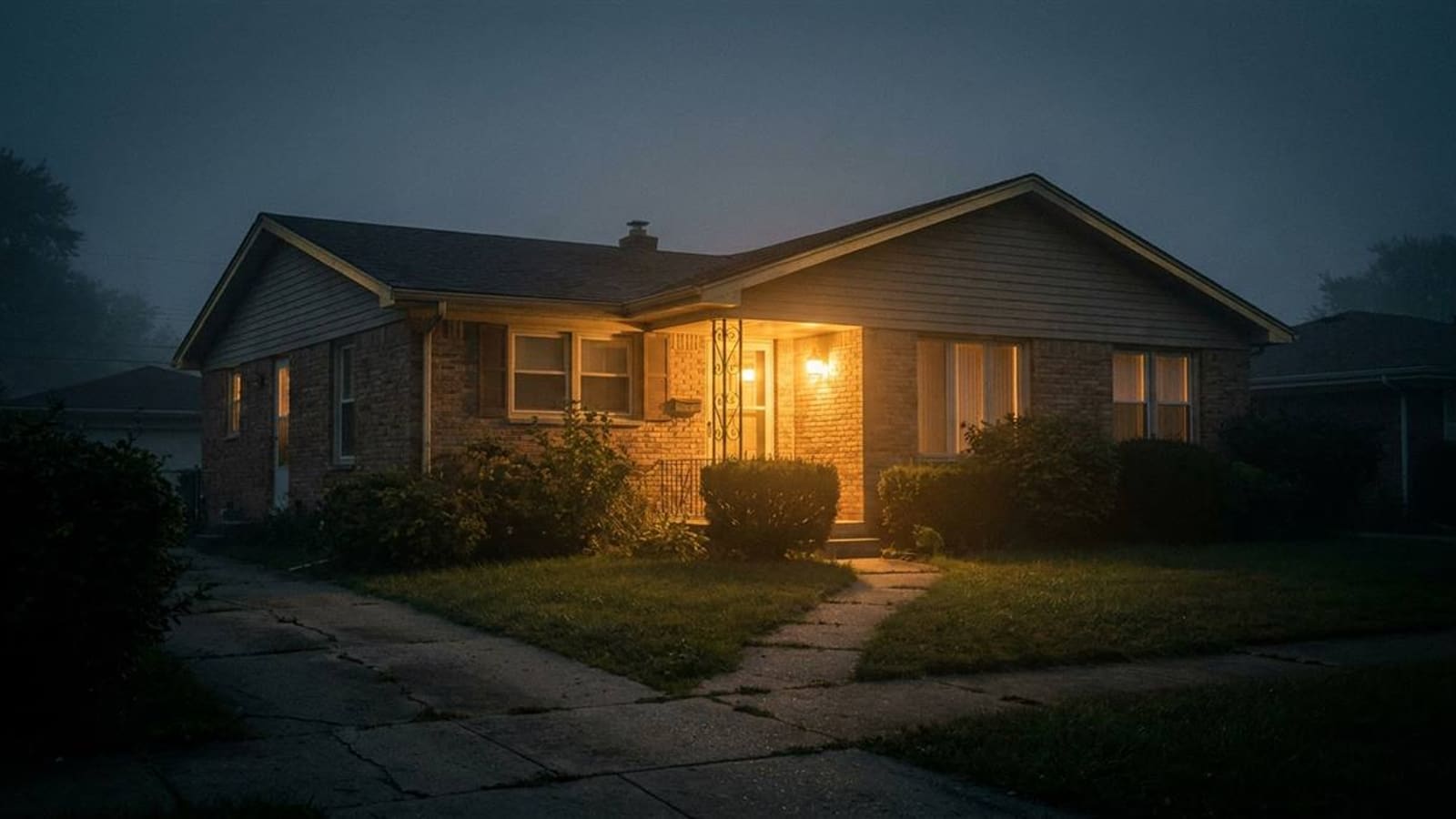
Selling a home in Dallas-Fort Worth is a big decision, and most of the expensive mistakes happen before the sign ever goes in the yard. Whether you are moving up, downsizing, or relocating out of the area, the mistakes homeowners make when selling their homes tend to repeat: the wrong price, deferred repairs, a rushed presentation, and choices driven by emotion instead of the market. Here are the ones we see most often in McKinney, Frisco, Plano, and across the Metroplex, along with what to do instead.
The short version
Price to recent sold comps from the first day, because an overpriced listing burns its strongest window and usually sells for less later. Fix the small, visible problems, tidy the exterior, declutter the interior, and pay for professional photos, since buyers decide online before they ever visit. Make the house easy to show, confirm that buyers are pre-approved, and treat an offer as the start of a negotiation rather than the end of one. Disclose known defects in writing, know where you are going next, and do not wait for a perfect market that never quite arrives.
Why is overpricing the most common selling mistake?
Overpricing costs sellers more than any other mistake because a listing gets its heaviest attention in its first days on the market, and a price above the comps wastes that attention. Buyers and their agents filter by price. A home that sits outside the range for its size, age, and condition draws fewer showings, stays on the market longer, and starts to look like something is wrong with it. The reduction that follows often lands below where a correct starting price would have sold.
The fix is a comparative market analysis built from recent sold comps, not from active listings, online estimates, or what a neighbor says their house is worth. Our note on why AI home value estimates miss in Texas explains why the automated numbers so often miss here.
Which repairs and upgrades actually matter before listing?
The repairs that matter are the visible ones a buyer notices in the first ten minutes: leaky faucets, worn flooring, chipped paint, broken hardware, and dated light fixtures. Each is small on its own, but together they tell a buyer the house has not been maintained, and buyers price that assumption into their offer.
You do not need a full overhaul. Fix the leaks, replace tired hardware, and paint the walls that show wear. In an older home, a kitchen or bathroom update can be worth it when the comparable homes on your street already have one, because that is what buyers in your price band will expect. If they do not, keep the money.
Curb appeal belongs in the same conversation. A messy lawn, a cracked driveway, or peeling trim can turn a buyer off before they open the front door, no matter how clean the inside is. The list is short and cheap:
- Landscaping. Mow, edge, trim hedges, and add a few plants with color.
- The approach. Pressure wash the driveway and walk, and repaint the front door.
- Lighting. Working porch and path lights matter for evening showings and for photos.
How should you present the house to buyers?
Present the house so a buyer can picture their own life in it, which means less of yours on display. Cluttered rooms, family photos, and mismatched furniture make it harder for buyers to see the space. Declutter, depersonalize, and aim for a clean, neutral look that feels open. A professional stager helps, but a disciplined weekend of editing gets most of the way there.
Then photograph it properly. Most buyers start their search online, and blurry, dark, or crooked photos cost you showings you will never know about. Hire a photographer who shoots real estate for a living, make sure every room is lit and staged before they arrive, and let the images do the first showing. A full-service DFW listing includes this by default, which is one reason to ask what your agent’s package actually covers.
Finally, be easy to show. A buyer who cannot get in when they are free will simply go see the next house. Accommodate evenings, weekends, and last-minute requests, and keep the house show-ready for the length of the listing. More showings mean more offers.
How do you handle offers, financing, and negotiation?
Treat the first offer as information, not a decision, and confirm that any buyer you negotiate with can actually close. A few habits protect sellers here:
- Confirm pre-approval. Have your agent verify that the buyer holds a lender’s pre-approval, not just a pre-qualification, before you take the house off the market for them.
- Understand the loan type. Government-backed loans such as FHA and VA come with property condition standards and appraisal rules that can affect repairs and timing. Know what a buyer’s financing will ask of the house.
- Counter instead of settling. Accepting the first offer because you are eager to be done can leave money or terms on the table. Counteroffers are a normal part of the process. Hold your position on what matters and stay open to reasonable movement on the rest.
- Keep emotion out of the numbers. Years of memories are real, but buyers are not paying for them. Treat the sale as a business transaction and lean on your agent for an objective read on each offer.
What do sellers forget to plan for?
The mistakes that surface late in a sale usually trace back to three things nobody planned for: where the seller is going next, what has to be disclosed, and how long they waited to list.
Have an exit plan before you list. If you are buying, have financing lined up and a search under way. If you are renting or moving temporarily, secure that arrangement first. Sellers without a next step end up making rushed decisions while under contract.
Disclose what you know. Texas and Oklahoma both require most residential sellers to give buyers a written disclosure of known property conditions, such as foundation movement, water intrusion, or plumbing problems. Hiding a known defect can unwind a sale and create legal exposure after closing. Disclose early, in writing, and let the buyer price it in. The state-specific forms are collected in our FSBO documents library, which is useful even if you are listing with an agent.
Do not wait for a perfect moment. Homeowners who hold out for ideal conditions often watch the market move against them instead. The right time to sell is when you are ready and the numbers work. Stay informed, talk to your agent, and act when conditions are favorable.
Frequently asked questions
What is the most common mistake when selling a house?
Overpricing. A listing gets its most attention in its first days, and a price above recent sold comps wastes that window, leading to fewer showings and a reduction that often lands below where a correct price would have sold.
Should I make repairs before selling or sell as-is?
Fix the small, visible items such as leaks, worn paint, and broken hardware, because they are cheap and change how buyers read the house. Skip large renovations unless the comparable homes already have them. If the house needs major work you cannot fund, selling as-is to a cash buyer is a legitimate alternative to listing.
Do I have to disclose problems with my house?
In Texas and Oklahoma, most residential sellers must give buyers a written disclosure of known property conditions. Disclose early and in writing, and ask a real estate attorney about anything you are unsure whether to include.
Where we land on it
Most selling mistakes are avoidable with a correct price, a clean and well-photographed house, easy access, and a calm approach to offers. If your home has already been sitting, our post on why a home is not selling and how to fix it covers the repair-and-reposition playbook. When you want a local team to price, prepare, and negotiate the sale with you, our residential real estate services cover the process from listing to closing. Disclosure rules and contract terms are legal matters, so have a real estate attorney review anything you are unsure about.
Enjoying these? We publish straight talk like this twice a week. Follow us on Linktree to keep up with everything we are working on, from new tools to new markets.