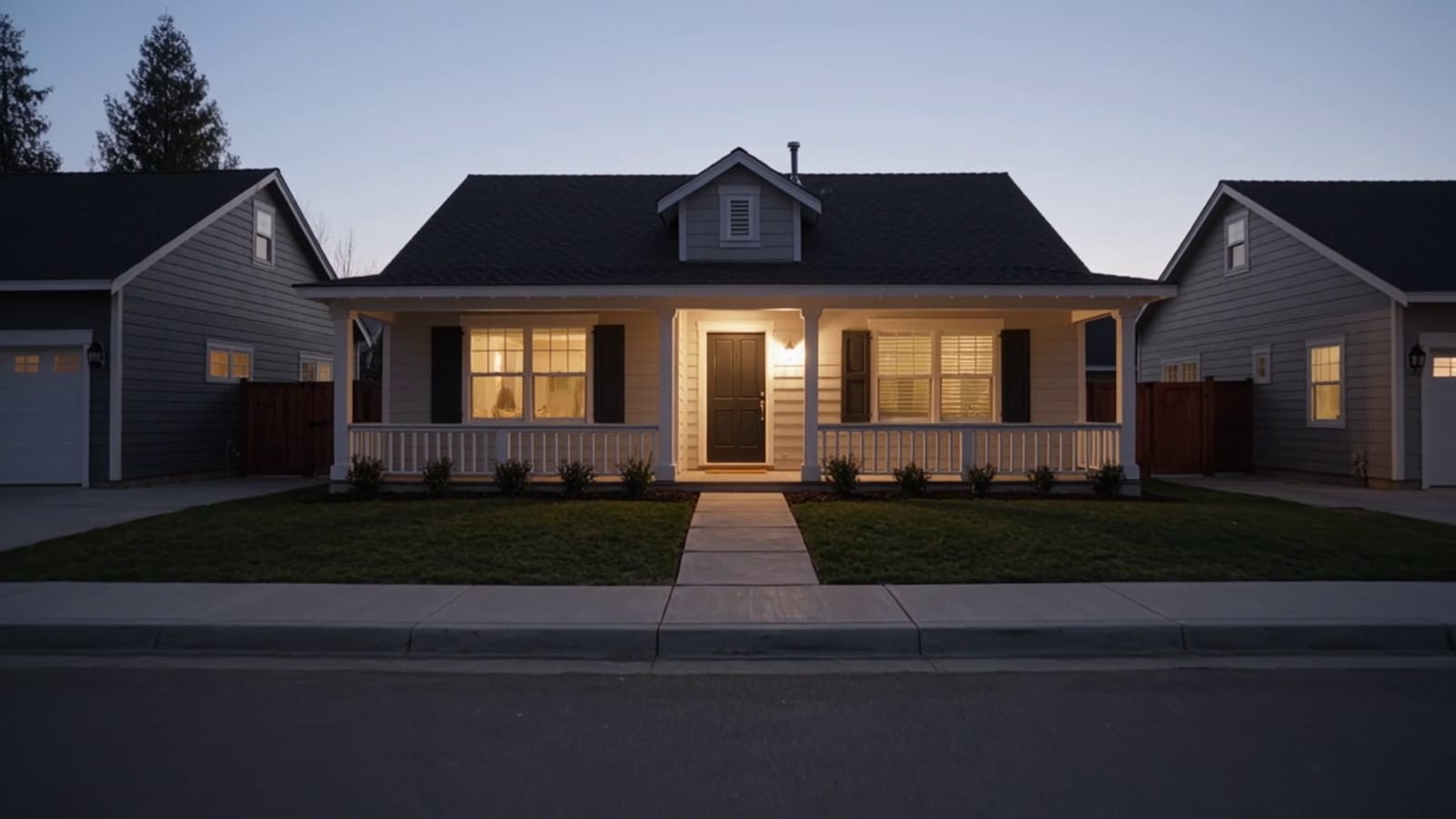
If you own a home in Dallas-Fort Worth or central Oklahoma and have been asking whether to sell now or wait in 2026, you are asking the right question at an awkward time. The market is more balanced than it has been in years: rates are higher, buyers are more cautious, and homes in some areas take longer to sell. At the same time, values remain relatively strong and demand has not gone anywhere.
For most homeowners, the decision to sell now or wait is less about timing the market perfectly and more about understanding their own situation and the options in front of them. This guide breaks down what the market looks like and how to decide.
The short version
There is no clean market signal that says sell now or wait in 2026. Buyers are active but price sensitive, inventory is up, and move-in ready homes priced to the comps still sell well while overpriced or repair-heavy houses sit. Selling now makes sense when you need certainty, want to capture the equity you already have, or are tired of carrying the house. Waiting makes sense when you hold a low mortgage rate, the house needs preparation, or nothing is pushing you. A third path, selling directly to a buyer off-market, fits owners who want speed without repairs or showings.
What does the 2026 housing market look like for sellers?
The 2026 market is best described as stable but selective. Buyers are still out there, but higher monthly payments make them careful about what they offer and which houses they even tour.
- Buyers are price sensitive. A higher rate means the same list price costs more per month, so buyers shop within tighter limits and negotiate harder.
- Inventory has increased. More listings give buyers choices, which means a house has to compete on price and condition rather than simply being available.
- Ready homes sell, tired homes sit. Move-in ready houses priced correctly are still selling well. Overpriced or repair-heavy properties are the ones stretching days on market.
Our post on why homes take longer to sell in 2026 goes deeper on the mechanics.
When does it make sense to sell now?
Selling now makes sense when certainty and timing matter more than squeezing out a possible future gain. Three situations tend to push owners toward listing sooner:
- You need certainty. A relocation, a change in household, or a need to free up equity can make waiting impractical. Selling now provides clarity and lets you plan the next move.
- Values are still strong. Even though the market has cooled from its peak, values in many DFW and Oklahoma neighborhoods remain near their highs. Waiting is not a promise of a higher price; markets move both ways. Our home equity tracker is a quick way to see where you stand.
- Holding costs add up. Property taxes, insurance, maintenance, and the mortgage payment keep running every month you own the house. Selling sooner stops that meter.
When is waiting the better call?
Waiting makes sense when your current financing is hard to replace, when the house is not ready, or when nothing is forcing the decision.
- You have a low mortgage rate. Owners who locked in a very low rate face a real cost to give it up, especially if the next purchase means borrowing at today’s rates. That math deserves a hard look before you list.
- The property needs preparation. Time spent on repairs, updates, or staging can lead to stronger offers later, provided the cost of that work is less than the price it adds.
- There is no pressure. If urgency is not a factor, waiting gives you the flexibility to watch how the market evolves and move on your own terms.
Is there a third option besides listing or waiting?
Yes: selling off-market, directly to a buyer, without going through the traditional listing process. It has become more common in 2026 as owners weigh convenience and certainty against the last dollar of price.
An off-market sale typically offers:
- A faster timeline, since there is no marketing period and no wait for a buyer’s financing.
- Fewer contingencies, because an experienced buyer is not relying on an appraisal or a lender’s condition requirements.
- No repairs or showings, with the house purchased as-is.
- A flexible closing date that fits the seller’s move rather than a lender’s calendar.
The tradeoff is price. A direct buyer is pricing in the repairs, the risk, and the speed, so the offer is usually below what a fully prepared listing might bring. For the right situation, that trade is worth it. When Mac Does REI buys a house directly, it is through our principal buying arm, NTX Realty Trust, and we put cash offers in writing so you can compare them against a listing plan side by side.
Here is a real example. A homeowner in the DFW area was debating whether to wait six months before listing. The property needed updates, and they were not sure the market would improve. Instead of waiting, they explored a direct sale, which let them skip the repair costs, avoid months of holding expenses, and close on a timeline that fit their move.
What should a homeowner ask before deciding?
Decide from your own numbers and timeline, not from headlines. A few questions that clarify most decisions:
- Do I need to sell within a specific timeframe?
- Am I willing to invest in repairs or updates before listing?
- How important is convenience versus maximizing price?
- What are my holding costs each month, including taxes and insurance?
- What would I do if the market stays the same, or shifts against me?
If the honest answers point toward speed and simplicity, a direct sale deserves a look. If they point toward maximizing price and you have the time and cash to prepare the house, a listing is usually the better path.
Frequently asked questions
Should I sell my house now or wait for rates to drop?
Nobody can time rates reliably, and lower rates would also bring more buyers and more competing sellers into the market. Decide based on your timeline, your equity, and your holding costs rather than on a rate forecast.
Is 2026 a bad time to sell a house?
No. Homes that are priced correctly and in good condition are still selling across DFW and Oklahoma. The market is more selective than it was a few years ago, which rewards preparation and realistic pricing.
What if my house needs work I cannot afford before listing?
You can list as-is with the price adjusted for the work, or sell directly to a buyer who will take the house in its current condition. Both avoid funding repairs up front; the listing route generally takes longer and the direct route generally nets less.
Where we land on it
Timing the market perfectly is hard even for people who do this all day. The right choice usually comes down to your goals, your finances, and your timeline. Whether you decide to list, wait, or sell directly, our residential real estate services are built to lay out all three paths so you can pick with clear eyes, and our guide to listing versus a cash offer in DFW is a good next read. Nothing here is legal, tax, or lending advice; check with your attorney, CPA, or lender about how a sale affects your specific situation.
Enjoying these? We publish straight talk like this twice a week. Follow us on Linktree to keep up with everything we are working on, from new tools to new markets.