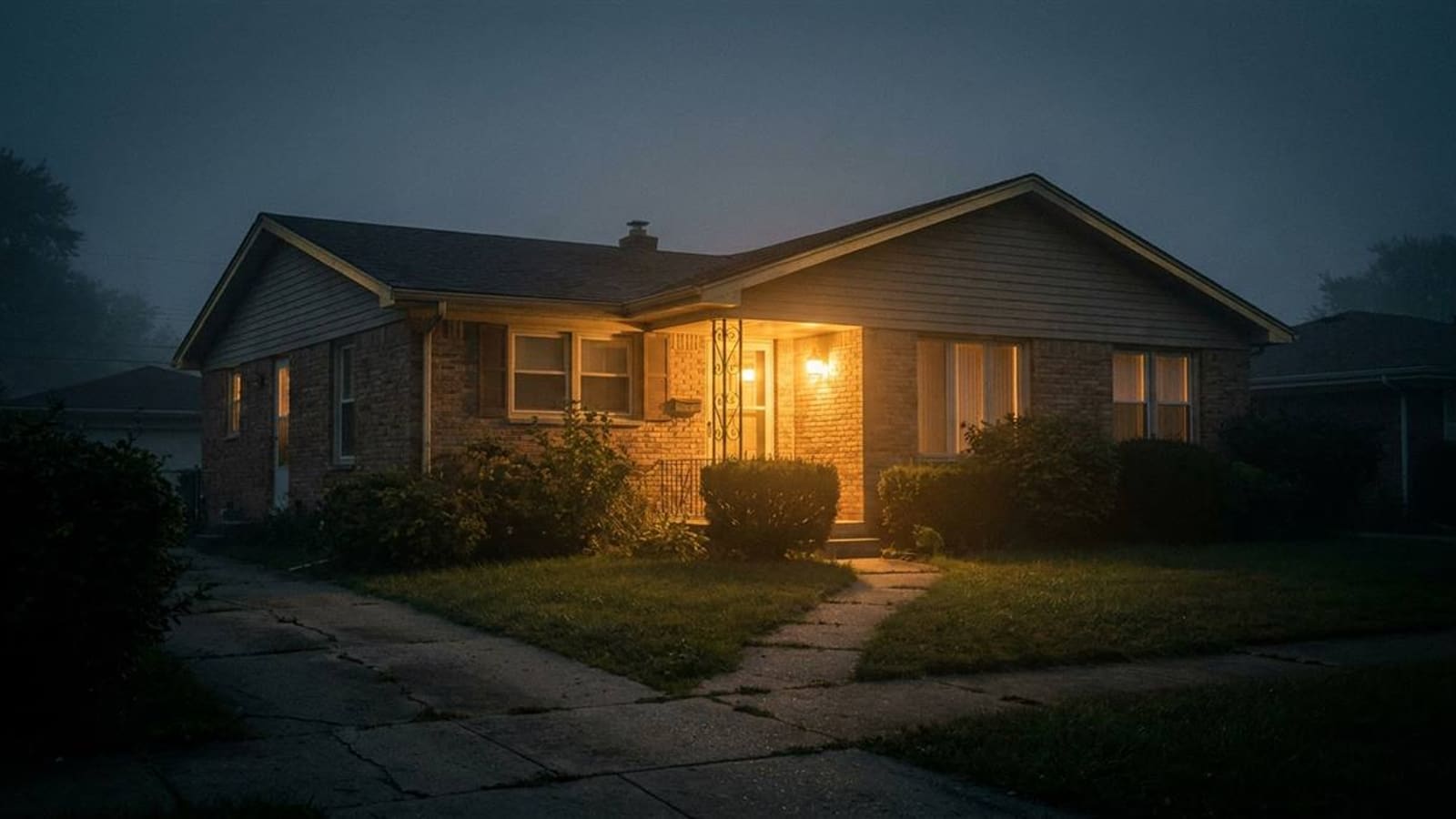
Solar panels have become a common upgrade for Texas homeowners hoping to cut energy bills, and plenty of owners in Dallas-Fort Worth, Plano, and Frisco are now finding out that selling a house with a solar panel loan is more complicated than selling one without. The loan or lease attaches to the deal in ways that buyers, lenders, and title companies all have to work through.
If you still owe on your panels and are thinking about selling, this post lays out what makes it tricky and the four ways sellers resolve it, including the route where you do not have to write a check.
The short version
Most solar panel loans are secured by a UCC-1 fixture filing recorded against the property, so the balance has to be dealt with before or at closing even though it is not a mortgage. Sellers have four practical options: pay the loan off from sale proceeds at closing, transfer the loan to a buyer who qualifies and wants the panels, buy out the lease if the panels are leased, or sell as-is to an investor who structures the deal around the lien. Whichever route you take, get a payoff statement early, disclose the solar status up front, and use a title company that has handled solar payoffs before.
Why does a solar loan complicate a home sale?
Because the loan follows the house, not just the owner, and most buyers and their lenders want it resolved before they close. Three issues come up repeatedly:
- The lien attaches to the property. Many solar loans are secured by a UCC-1 fixture filing recorded in the county records. It is not a mortgage, but it shows up in a title search, and lenders and title companies expect it to be paid off or formally transferred before closing. That can scare off buyers, delay closings, or reduce the home’s marketability.
- Buyer qualification. Not every buyer can, or wants to, take over the remaining payments, and a buyer’s lender may hesitate to finance a house that carries an extra lien.
- Ownership versus leasing. Panels can be owned outright, financed with a loan, or leased under a lease or power purchase agreement. Each one affects the transaction differently, and sellers often do not know which they have until they pull the paperwork.
What are the options for selling a house with a solar loan?
There are four, and the right one depends on the payoff amount, the equity in the house, and the buyer.
Pay off the solar loan at closing
The most straightforward route is to use sale proceeds to pay the loan balance at closing. The title company sends the payoff, the lien is released, and the buyer takes the house free of the encumbrance. Request a payoff statement from the solar lender before you list. It tells you your real net proceeds and prevents surprises during negotiations.
Transfer the loan to the buyer
Some solar lenders allow the loan to be transferred to the new owner. If the buyer wants to keep the panels and qualifies with the lender, this can work. The limitation is that not every buyer will qualify or be interested, so relying on a transfer shrinks the pool of buyers you can sell to.
Buy out the lease
If the panels are leased rather than financed, ask the solar company about a buyout. Paying off the lease up front clears the way for a normal closing. Read the lease terms closely; buyout pricing and transfer rules vary by company.
Sell as-is to an investor
Investors who buy houses directly are used to solving lien problems. When Mac Does REI buys a house, the purchase is made by our principal buying arm, NTX Realty Trust, which regularly buys as-is, including houses with solar loans, and can structure the deal so the seller does not have to come out of pocket to resolve the lien. That might mean paying the balance from the purchase price at closing, or, where a shortfall exists, a subject-to or wraparound structure in which the buyer takes over making the solar and mortgage payments while the loans stay in the seller’s name until paid. Our explainer on what happens to the mortgage in a subject-to purchase covers how that works and what to watch for.
How does our team help a seller with solar?
Depending on which route fits, either the brokerage or the buying arm handles it, and we will tell you plainly which one applies.
- Reviewing the agreement. We help you read the solar contract, identify whether it is a loan, lease, or PPA, get the payoff, and lay out the options side by side, whether you are listing on the MLS or considering an off-market sale.
- Listing the house. If a listing is the right move, our brokerage team, The McDonald Group, markets the house with the solar status disclosed correctly and coordinates with the buyer’s lender on the payoff or transfer.
- Buying the house. If an off-market sale fits, NTX Realty Trust makes a written cash or terms offer and coordinates with the title company and solar lender so every lien is handled and the closing happens on time.
- Pointing you to counsel. For sellers whose solar contract has terms none of the standard options solve, we can refer you to a real estate attorney to review it. That is a referral, not legal advice.
What should a seller do if listing on the open market?
Disclose early, describe the panels accurately in the listing, and work with people who have done this before.
- Disclose the solar loan, lien, or lease to your agent and to prospective buyers at the start of the process, not after an inspection. Texas sellers should also address it on the seller’s disclosure notice.
- State the panel status in the listing: owned, leased, or financed, with the transfer or payoff path.
- Choose an agent and title company who understand solar. Many agents and buyers are unfamiliar with UCC filings, and a closing can stall over a payoff that nobody ordered. Ask directly whether they have closed a solar-encumbered sale before.
For a broader look at selling a house that is carrying problems, our guide to selling a house that needs repairs in 2026 covers the same decision from the repair side.
Frequently asked questions
Can I sell my house if I still owe on the solar panels?
Yes. The loan has to be paid off, transferred to the buyer, or structured into the deal, but an outstanding solar balance does not prevent a sale.
Does a solar loan show up on a title search?
Usually. Most solar loans are secured by a UCC-1 fixture filing recorded against the property, which a title company will find and expect to be resolved at closing. Ask for a separate UCC search to be sure.
Do I have to disclose a solar lease or loan to buyers?
Yes. Disclose it early and in writing. Buyers and their lenders will find it anyway, and a late surprise is the fastest way to lose a contract.
Where we land on it
A solar loan does not have to stop a move. Sellers with equity usually pay it off at closing; sellers without equity, or with a lease that will not transfer, have an off-market path where the buyer structures around it. If you want a written cash offer on a house with a solar loan, we will show you the numbers next to a listing plan so you can compare. Nothing here is legal or tax advice; have a real estate attorney review your solar contract and any creative structure before you sign.
Enjoying these? We publish straight talk like this twice a week. Follow us on Linktree to keep up with everything we are working on, from new tools to new markets.