
Persistence in creative real estate deals is the difference between the investor who walks away from a house with no equity and the one who closes it. The deals everyone else abandons in Dallas-Fort Worth and Oklahoma tend to share a profile: a homeowner behind on the mortgage, a foreclosure timeline already running, and no equity to support a cash offer. Most buyers take one look and move on. This is the story of one we did not walk away from, and of the mindset and structures that made it work.
The short version
A seller several months behind on payments, with no equity and a foreclosure date approaching, does not fit a cash offer, so most investors pass. We used a wraparound mortgage to bring the loan current and keep the existing financing in place, which took the foreclosure off the table and stabilized the property. Then we resold the house with owner financing to a buyer who could handle a monthly payment but could not qualify for a bank loan, which supported a higher sale price and created ongoing cash flow. The seller protected their credit, the buyer became a homeowner, and the deal that looked dead produced upfront profit, monthly income, and long-term equity. None of that came from a bigger bankroll; it came from staying with the file after everyone else left.
What did the deal look like when everyone else walked away?
A distressed file with nothing in it for a cash buyer: the owner was several months behind on the mortgage, the lender had started the foreclosure process, and the loan balance was roughly what the house was worth. There was no spread for a wholesale assignment and no room for a discounted cash purchase, which is why every other investor who looked at it saw only obstacles.
The seller needed more than a lowball offer. They needed someone willing to understand the loan, the arrears, and the timeline, and to build a structure around all three. That takes persistence, some creativity, and a working knowledge of financing techniques most buyers never learn.
How does a wraparound mortgage rescue a no-equity deal?
A wraparound mortgage lets an investor take over a property while the seller’s original loan stays in place, with the investor’s new financing wrapping around it. Instead of paying the loan off, we caught up the arrears, took responsibility for the ongoing payments, and kept the existing mortgage, with its existing rate, intact. That did two things at once: it stabilized the property financially and it kept a costly foreclosure from going forward.
Wraps come with real obligations. The underlying loan usually carries a due-on-sale clause, the seller remains on the original note, and the paperwork has to be drafted by an attorney who handles creative deals regularly. Our primer, Wraparound Mortgages 101, explains the structure, and what happens to the mortgage in a subject-to purchase covers the closely related question of who is responsible for the original loan.
Why resell with owner financing instead of listing?
Because the buyer pool for owner financing is larger than most investors realize, and it supports a stronger price. Plenty of would-be homeowners can reliably afford a monthly payment but cannot get a conventional loan, whether because of self-employment income, a thin credit file, or a recent life event. Marketing the stabilized house with owner financing put it in front of those buyers, allowed us to command a higher sales price than a discounted cash sale would have, and turned the property into a stream of monthly payments rather than a one-time flip.
Owner financing carries its own rules, especially in Texas, where seller-financed sales and the related contracts are regulated closely. Our post on seller financing in DFW and who it helps walks through both sides of that arrangement.
What other structures work when a wrap does not?
A wrap is one tool, and the right structure depends on the loan, the seller, and the laws of the state where the house sits. Alternatives that solve the same problem in different ways:
- Subject-to purchase. Taking title with the existing loan in place, without a new wrap note. Often paired with a wrap on the resale side.
- Lease-option. The buyer leases the house with the right to purchase later, useful when a buyer needs time to qualify.
- Contract for deed or land contract. The seller keeps title until the buyer finishes paying. Texas regulates these executory contracts heavily, so they need an attorney’s review before anyone signs.
- A second-position private loan. When the cash flow supports it, borrowing from a private lender in second position to catch up the arrears rather than funding them out of pocket. When to use hard money in a wrap deal covers the loan-stacking version of this.
Every one of these still has to pencil on its own. Persistence is not the same as forcing a bad deal, and how experienced investors decide if a deal is worth doing is the discipline that keeps creativity honest.
Who wins in a deal like this?
Three parties, which is the point. The seller kept the foreclosure off their record and protected their credit. The buyer became a homeowner through affordable owner financing, something a bank had already told them no on. And the investor built a deal with steady monthly cash flow, upfront profit, and equity that grows over time.
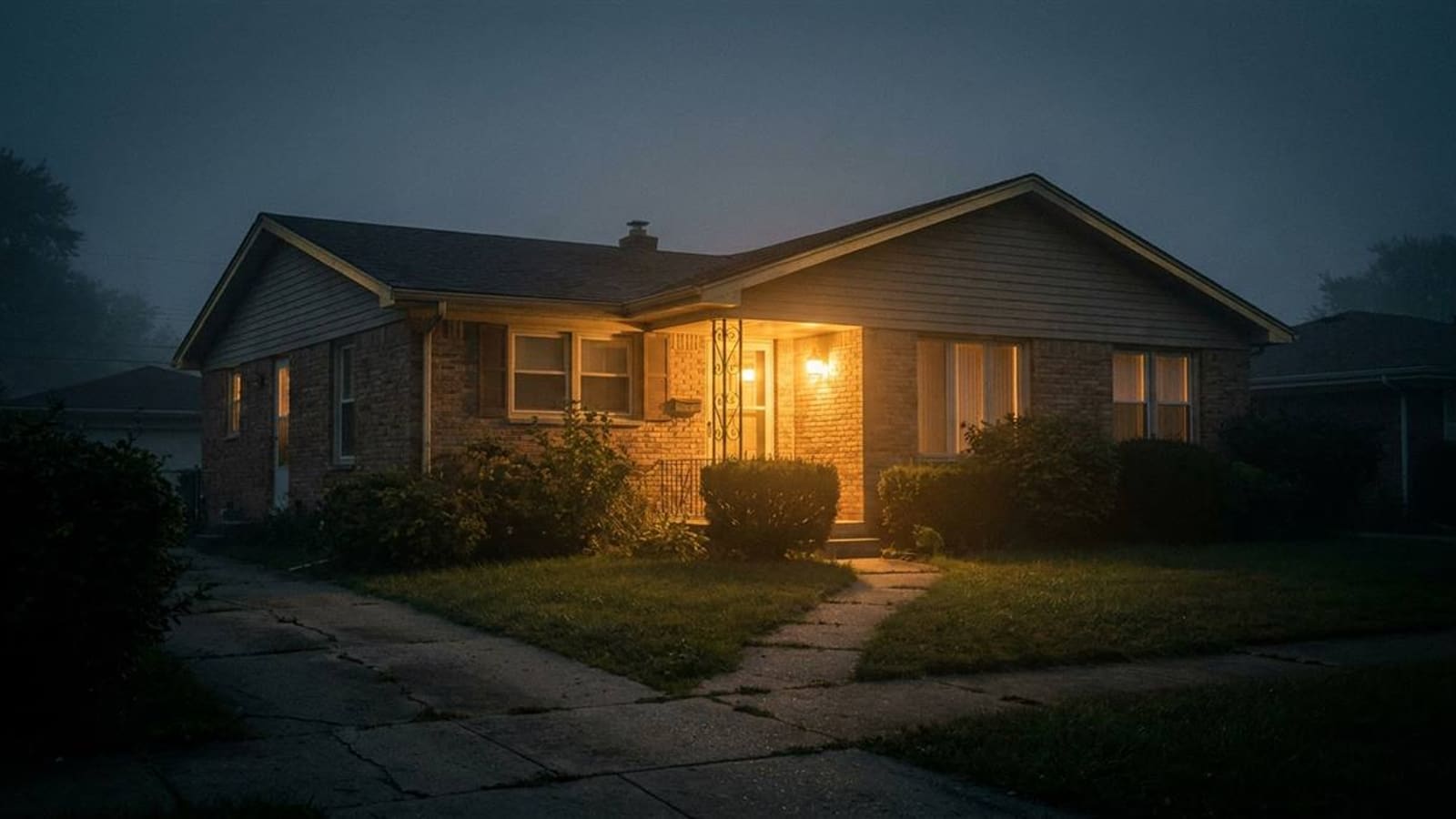
That win-win-win outcome is not luck. It is what happens when someone takes the time to structure a solution instead of a discount.
Frequently asked questions
Can you buy a house with no equity and still make money?
Yes, if the structure creates the value that the equity does not. Keeping a favorable existing loan in place through a wrap or subject-to purchase, then reselling with owner financing, can produce cash flow and profit where a cash purchase would produce nothing.
What does persistence look like on a distressed deal?
Digging into the loan, the arrears, and the seller’s timeline instead of walking away at the first sign of no equity, then matching a financing structure to what you find. It is more research than hustle.
What if a wrap does not fit the situation?
Depending on the state’s laws, a lease-option, a contract for deed or land contract, or a second-position private loan to catch up the arrears can solve the same problem. Each has its own rules and risks, so run it past an attorney before committing.
Where we land on it
Creative financing is a mindset more than a niche. Persistence opens doors that conventional thinking walks past, and the deals with the most upside are often the ones hiding behind the ugliest first look. No deal is truly dead; it is waiting for the right structure. If you work no-equity houses, distressed sellers, or hard financing situations in DFW or Oklahoma and want to see how deals like this get structured, the Mac Does REI investors page is where we share off-market deal flow, and understanding creative deals is a good primer on the vocabulary. None of this is legal, tax, or lending advice. Wraps, owner financing, and executory contracts are regulated, and a real estate attorney should draft and review every one of them.
Enjoying these? We publish straight talk like this twice a week. Follow us on Linktree to keep up with everything we are working on, from new tools to new markets.