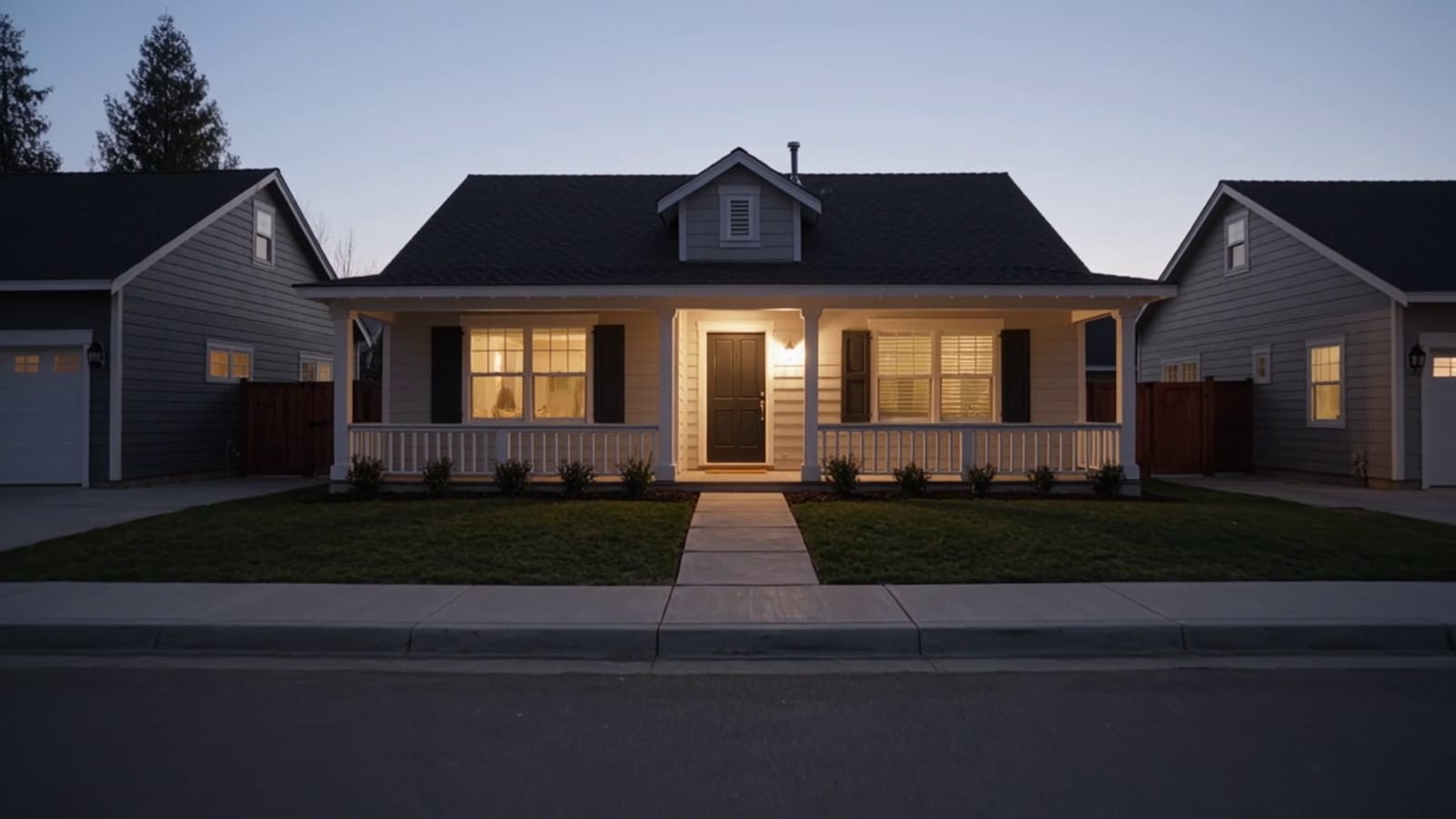
Understanding the mortgage process is the part of buying a first home that most people dread, and the part that decides what they can actually afford. For a first-time buyer in Dallas-Fort Worth or Oklahoma City, the loan is usually the largest financial commitment they have ever made, and the steps between “I want to buy” and “here are the keys” are not obvious from the outside.
This guide walks through the seven steps in order, what lenders are looking at along the way, how affordability is calculated, and which loan programs first-time buyers should know about.
The short version
The mortgage process runs in seven steps: a quick pre-qualification, a credit check, a documented pre-approval, the house hunt and offer, underwriting, the appraisal and inspection, and closing. Lenders judge affordability on income, debt, credit, and the loan-to-value ratio, and they want to see the same financial picture at closing that they saw at pre-approval. From pre-approval to keys, most purchases take somewhere between one and two months. Getting organized early, protecting your credit, and avoiding big purchases during the process are what keep it smooth.
What are the 7 steps in the mortgage process?
The process moves from a rough estimate of what you can afford to a fully verified loan, and each step builds on the one before it.
- Get pre-qualified. A quick, informal look at your income, employment, and basic credit that gives you a ballpark budget. It usually takes a day or two and is a starting point, not a commitment.
- Check your credit. Your score and history drive your eligibility and your rate. Check them before a lender does, so nothing surprises you.
- Get pre-approved. The lender verifies your income, assets, and debts against documents and issues a pre-approval letter for a specific loan amount. This is what makes an offer credible to a seller.
- Find the home and make an offer. Shop within the pre-approved budget. When the offer is accepted, you sign a purchase contract and the loan moves to underwriting.
- Underwriting. The lender’s underwriter reviews your full file, the contract, and the property to decide whether the loan meets the program’s rules.
- Appraisal and inspection. The lender orders an appraisal to confirm the home is worth the purchase price. You order an inspection to learn what you are buying.
- Closing. Once every condition is cleared you receive a clear-to-close notice, sign the final documents, pay closing costs (commonly a few percent of the purchase price), and get the keys.
A note on terms, because they get used loosely: pre-qualification is the quick estimate, and pre-approval is the verified one. Sellers and listing agents care about the second.
How do lenders decide how much you can afford?
Lenders measure affordability with two ratios: how much of your gross monthly income goes to housing, and how much goes to all debt combined. Each loan program caps both shares. The housing payment (mortgage, taxes, and insurance) has to stay under one ceiling, and all debt payments combined, including the new mortgage, have to stay under a second, higher one. The exact caps vary by program, and some allow more room than others, so your lender will tell you where you stand.
During underwriting the lender looks at three things in detail:
- Creditworthiness. Whether your score and history meet the loan program’s requirements.
- Debt-to-income ratio (DTI). The share of your income that goes to debt payments each month. Lower is better.
- Loan-to-value ratio (LTV). The loan amount divided by the appraised value. A lower LTV is less risky for the lender, and a large enough down payment on a conventional loan lets you avoid private mortgage insurance (PMI); ask your lender where that cutoff sits.
One thing generic online calculators often get wrong in DFW and OKC is the tax and insurance portion of the payment, which is larger here than in many markets. Our mortgage calculator with real tax rates is built for that, and why online payment calculators understate DFW and OKC explains the gap.
What credit score do you need for a mortgage?
Conventional loans generally require a higher minimum score than FHA loans, which are designed for buyers with thinner or bruised credit, and a larger down payment can sometimes offset a lower score. Your lender can give you the exact cutoffs for each program. The higher your score, the better the rate you will be offered, and a small rate difference adds up over a thirty-year loan.
A few ways to protect or improve your credit during the process:
- Pay down revolving balances such as credit cards. Be careful with installment loans: paying off a car loan can temporarily lower a score, so check with your loan officer before doing it.
- Do not open new credit while you are buying. A new card or a financed purchase changes the numbers the lender already approved.
- Pay every bill on time. A single late payment during underwriting can derail an approval.
What documents will you need?
Lenders verify everything they can, so expect to hand over:
- Proof of income: W-2s, recent pay stubs, and tax returns, typically for the past two years
- Bank statements, usually two to three months
- A list of debts, including credit cards, student loans, and car loans
- Identification, including a driver’s license and Social Security number
Self-employed buyers should expect to provide more, including business returns. Keeping all of it in one folder from day one saves a week later.
Which mortgage programs should first-time buyers consider?
The right program depends on your credit, your savings, and where the house is. The four most common:
- Conventional loans. For buyers with solid credit and stable income. Low down payment options exist, with PMI required until you have enough equity in the home.
- FHA loans. Designed for buyers with lower credit scores or smaller savings. Low down payment requirements, with mortgage insurance that stays on the loan longer than on a conventional loan.
- VA loans. For eligible veterans and active-duty service members. No down payment required, subject to approval.
- USDA loans. For homes in eligible rural areas. No down payment required, but income limits apply.
A lender can run the same purchase through more than one program and show you the payments side by side. Ask for that comparison before you commit. Our mortgage readiness playbook is a good pre-read.
How long does the mortgage process take?
From pre-approval to closing, a typical purchase takes 30 to 60 days, depending on how complicated your finances are and how quickly the lender processes files. Pre-qualification takes a day or two. Pre-approval can take anywhere from a few days to a few weeks, depending mostly on how fast you deliver documents. Underwriting, the appraisal, and the inspection fill most of the contract period. Closing itself is a signing appointment that usually takes an hour or two.
How do you keep the process smooth?
Stay organized, avoid major financial moves, and work with professionals who do this every week. Specifically:
- Keep every document accessible. Lenders ask for updated statements more than once.
- Do not make large purchases such as a car or new furniture on credit until after closing.
- Work with an experienced agent and lender who communicate with each other. Problems in a loan file tend to surface in the last week, and a team that talks catches them early.
Frequently asked questions
How much house can I afford?
It depends on the caps your loan program sets for the housing payment and for total debt as shares of gross monthly income; your lender will run the real numbers. Include property taxes and insurance, which are a large part of the payment in Texas and Oklahoma.
What documents do I need for a mortgage?
Proof of income (W-2s, pay stubs, tax returns), two to three months of bank statements, a list of your debts, and identification. Self-employed buyers should expect to provide more.
How long does it take to get a mortgage?
Most purchases close 30 to 60 days after pre-approval. Delivering documents quickly and avoiding new debt are the two things a buyer controls.
Where we land on it
The mortgage process looks complicated from the outside, but it is a sequence of predictable steps, and buyers who understand them tend to close on time. Get pre-approved before you shop, protect your credit, and know your real payment before you fall in love with a house. For what lenders are actually weighing when they read your file, see what lenders really look for in your mortgage application, and when you are ready to look at homes, our residential team works with first-time buyers across DFW. Nothing here is lending or legal advice; loan programs and their requirements change, so confirm the specifics with your lender.
Enjoying these? We publish straight talk like this twice a week. Follow us on Linktree to keep up with everything we are working on, from new tools to new markets.