
Real estate leads worth paying for share one trait: the person on the other end has a problem that a sale solves, and they know it. Most of what gets sold as “motivated seller data” in Dallas-Fort Worth does not clear that bar. It is a list of addresses with a story attached, and chasing it burns the two things an investor cannot buy back, time and attention.
We have paid for leads in DFW and central Oklahoma since we started buying houses, and three lists have consistently earned their keep: pre-foreclosure, tired or absentee landlords, and inherited or probate properties. This is why each one works, what to look for in the data, and how to keep a good list from going to waste.
The short version
The leads worth paying for are the ones where the seller’s situation, not your pitch, creates the urgency. Pre-foreclosure owners are on a clock, tired landlords want the property off their plate, and heirs usually want a clean resolution more than a top price. Each of those groups is open to speed, certainty, and creative terms, which is exactly what an investor can offer and a retail buyer cannot. The list is only half the job, though: speed to contact, respectful follow-up, and a real solution are what turn a paid lead into a closed deal.
Why pay for real estate leads at all?
Because a good list compresses months of door knocking into a week of conversations. Free sources such as referrals, driving for dollars, and agent relationships all work, but they scale with your hours; a paid list scales with your budget, and if it converts it more than pays for itself.
The mistake is treating cost per lead as the metric. The number that matters is cost per closed deal, which depends far more on lead quality and follow-up than on the price of the list. Quality means three things: the seller is motivated, the motivation is verifiable in public records, and the contact information is current enough to reach them.
Why are pre-foreclosure leads worth paying for?
Pre-foreclosure leads are homeowners who have fallen behind on their mortgage and now have a formal notice on file. They are worth paying for because the timeline does the work: a scheduled sale date creates urgency that no marketing can manufacture, and the owner usually needs a solution more than a negotiation.
These sellers are a fit for investors specifically because of the range of solutions on the table. A homeowner in this position is often open to a subject-to purchase, a wrap, a lease option, or a fast cash close, because the alternative is losing the house and the equity with it. Acting early also means less competition; once a sale date is public, every buyer in the county is sending the same postcard.
In the data, look for:
- A verified notice of default or a posted sale date, not a guess based on a late-payment model.
- Recent, accurate mortgage balance information, so you can tell whether there is equity to work with or whether a terms deal makes more sense.
- Contact details that actually reach the owner, ideally before the situation becomes public knowledge.
The state matters. Texas foreclosures are mostly non-judicial and move quickly once the notice of sale is posted, with sales held on the first Tuesday of the month at the county courthouse. Oklahoma foreclosures generally run through the courts, which takes longer and gives everyone more runway. Either way, make contact within hours of a new record, because a lead that sits for a week has usually already talked to someone else. Our post on turning a foreclosure into an investment opportunity walks through the process itself.
Why are tired landlords and absentee owners good leads?
Tired landlords and absentee owners are worth paying for because they see the property as a job they no longer want, not a home they love. That lowers the emotional stakes on price and raises the value of a clean exit.
These sellers tend to be flexible on structure. Many will carry seller financing to spread a large tax bill across several years, and many will accept a discounted cash offer to be done with tenants, repairs, and management calls. The properties often need only modest work, because a landlord who deferred maintenance usually left the bones intact and the finishes tired, which is the ideal setup for a value-add hold.
In the data, look for:
- Eviction filings or code violations tied to the address, both of which are public in Texas and Oklahoma.
- A mailing address that does not match the property, especially an out-of-state one. County appraisal district and assessor records show this plainly.
- Long ownership, which points to both accumulated equity and accumulated deferred maintenance.
Skip tracing turns those records into phone numbers, and direct outreach turns them into conversations. If the property has tenants in place, read our guide to selling a rental property with tenants in Texas so you can walk the seller through what happens to the lease.
What makes probate and inherited-property leads worth paying for?
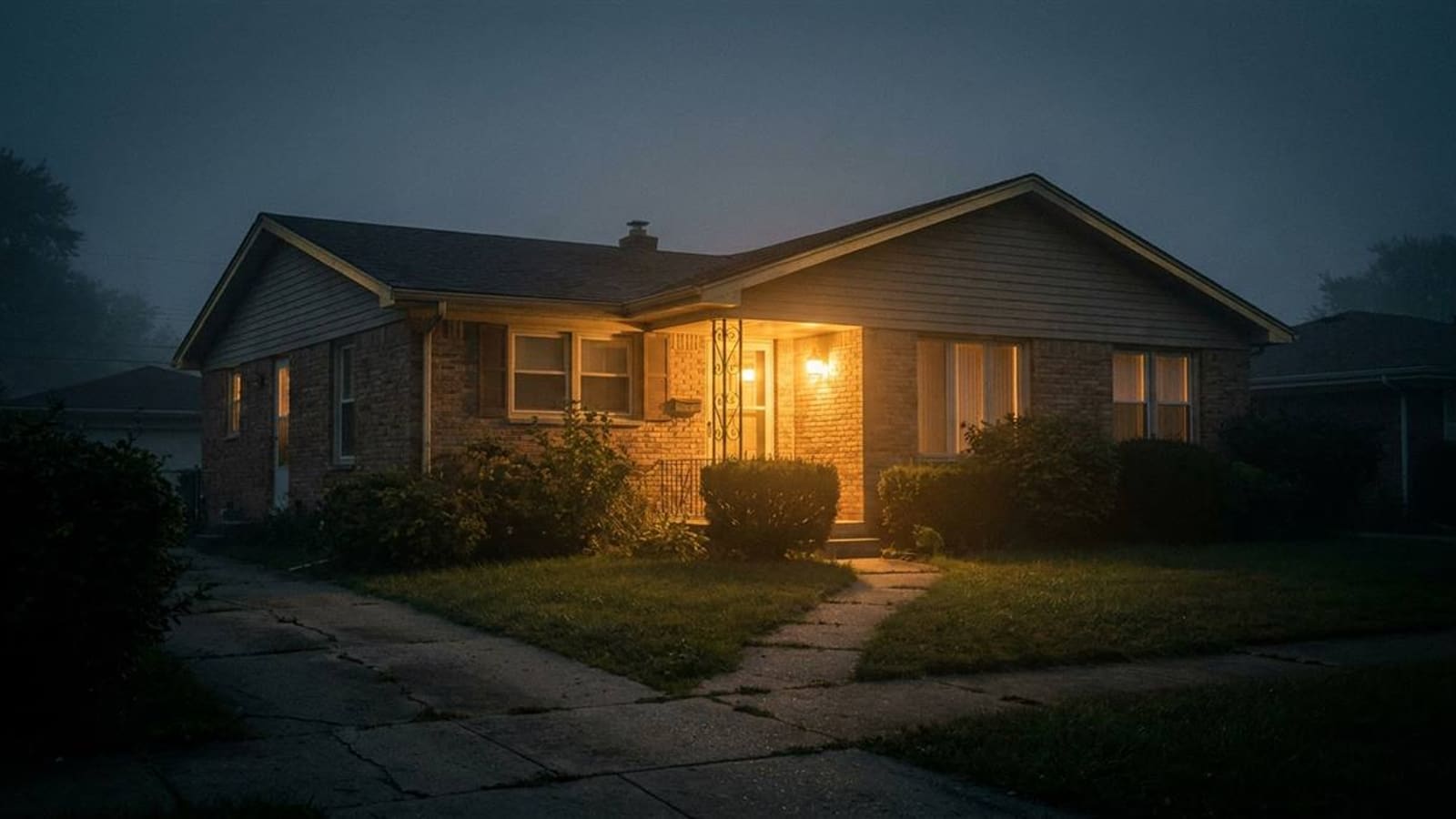
Probate and inherited-property leads are worth paying for because heirs are usually solving a logistics problem, not maximizing a sale. A house that belonged to a parent is often vacant, sometimes in another city, and frequently owned by several siblings who want a resolution more than a bidding war.
Two features make these deals unusually workable. Many inherited homes carry no mortgage, which opens the door to seller financing, flexible closing dates, and other terms a bank-financed retail buyer cannot offer. And heirs typically value speed and simplicity, so a straightforward as-is offer with a firm date is often more welcome than a higher number that comes with repairs and showings.
In the data, look for:
- Recent probate court filings, which are public in both states.
- A named executor or administrator with contact information, because that is the person who can actually sign.
- A vacant house or one that has never been listed, which usually means nobody has taken it on yet.
Texas allows independent administration, which lets an executor sell estate property with relatively little court supervision once appointed, so these deals can move faster than people expect. Oklahoma probate runs through the district courts and usually takes more steps. In both states, approach the family as a resource first and a buyer second: explain the process, answer questions honestly, and let the offer follow. Our guide to selling an inherited house in Dallas-Fort Worth is written for the seller’s side and is worth reading to understand what they are going through.
How do you keep paid leads from going to waste?
A paid list is wasted without a system behind it, and the system matters more than the list. Three parts decide the outcome:
- Speed to contact. New records should trigger outreach the same day, automated where possible, with a person following up. In pre-foreclosure especially, the first credible call often wins.
- Multichannel follow-up. Calls, texts, and mail, spaced over weeks and months, because most sellers say no several times before their situation changes. A CRM that tracks every touch is not optional at any real volume; our comparison of CRM platforms for wholesalers covers the options.
- Compliance. The rules around calling and texting homeowners are stricter than most new investors realize. Read the calling and texting rules agents miss before you load a dialer.
The last piece is having a real solution to offer. A lead only converts if you can solve the seller’s problem, whether that is a cash close in days, a subject-to that keeps their credit intact, or a seller-financed sale that spreads their taxes out. Investors who show up with one tool close one kind of deal.
Frequently asked questions
How much should an investor pay for real estate leads?
Judge a list by cost per closed deal, not cost per record. A pricier list with verified, current records usually ends up cheaper than a bulk file that sends you chasing addresses that never convert.
Are free real estate leads better than paid ones?
Neither is better; they trade money for time. Referrals and driving for dollars produce excellent leads but scale with your hours, paid lists scale with your budget, and most active investors run both.
Do these lead types work outside Dallas-Fort Worth?
Yes. Pre-foreclosure, tired landlord, and probate situations exist in every market, including Norman, Moore, and Oklahoma City, where we also buy. The public records differ by state and county, so learn where each one lives before you buy a list.
Where we land on it
Paid leads are worth it when the seller’s situation creates the urgency and your system is fast enough to meet it. Pre-foreclosure, tired landlords, and probate are the three lists that have earned their keep for us across DFW and central Oklahoma, and they are the same situations behind most of the deals we send out. If you would rather see what those deals look like after the work is done, join our off-market deal flow list for investors. Nothing here is legal or tax advice; foreclosure and probate rules vary by state and county, so talk to an attorney before you structure a deal around either.
Enjoying these? We publish straight talk like this twice a week. Follow us on Linktree to keep up with everything we are working on, from new tools to new markets.