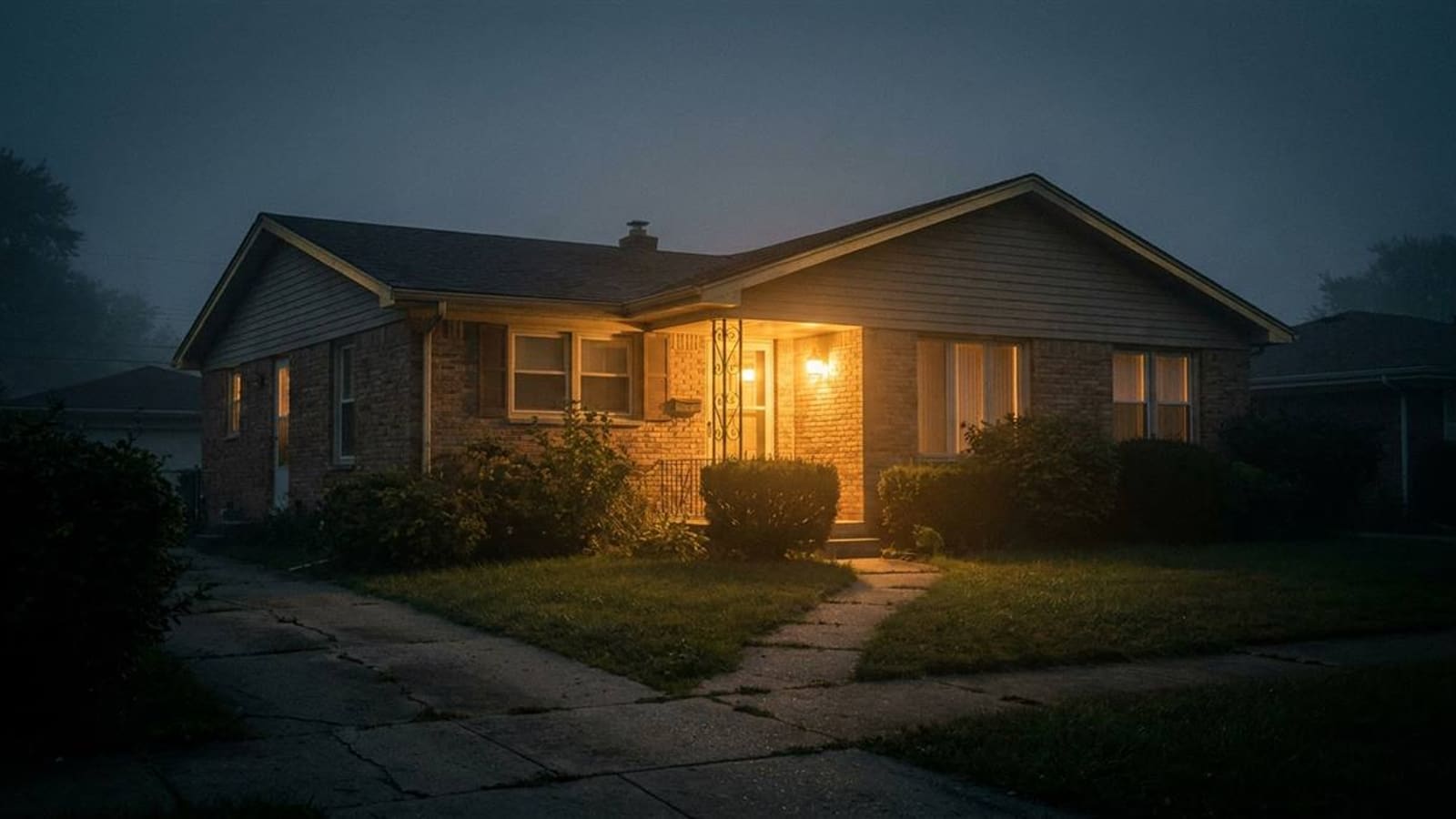
Plenty of Dallas-Fort Worth landlords reach the same point. The tenant pays late, the AC died again in July, and the house has quietly become a second job nobody signed up for. They want out, but there’s a tenant in it with eight months left on the lease. Can the house even be sold?
Yes. Selling a rental property with tenants in Texas is legal and common. But there’s a right way and a wrong way, and the wrong way can cost you the deal or land you in a fight.
The short version
In Texas an owner can sell a rental property at any time, even with a tenant in it, but the lease goes with the house. A fixed-term lease stays in force and the new owner has to honor it to the end, while a month-to-month tenant can be given proper written notice, at least one month under the Texas Property Code. A paying tenant cannot be pushed out because the owner found a buyer. The two workable paths are selling tenant-occupied to an investor or waiting for the lease to end and selling vacant, and which one nets more depends on the house and the tenant. The rest fills in the parts that trip landlords up: notice, the deposit, cash for keys, and the tax tail.
What does “the lease runs with the land” actually mean?
In Texas the lease is tied to the property, not to you. When you sell, the buyer steps into your shoes as landlord and inherits your tenant and your lease, exactly as written.
If your tenant has eight months left on a 12-month lease, the buyer gets eight months of that rent and a tenant with every right to stay. They can’t raise the rent mid-lease, change the terms, or show the tenant the door early because the name on the deed changed.
For the right buyer that’s the whole appeal: an asset producing income on day one. For a buyer who wanted to move in or gut it, it’s a dealbreaker. Knowing which buyer you’re selling to is half the battle.
Does it matter whether the lease is fixed-term or month-to-month?
It matters more than anything else about the sale.
Fixed-term lease. You’re mostly locked in. The lease survives the sale and the buyer honors it to expiration. Your realistic moves: sell as-is to an investor who wants the income, or wait until the term ends and sell vacant. You can offer the tenant a deal to leave early (more below), but you can’t force it.
Month-to-month. You’ve got room to move. Under Section 91.001 of the Texas Property Code, either side can end a month-to-month tenancy with written notice, and for a monthly rental period that notice runs at least one month. Give proper notice, let the clock run, and you can deliver the house vacant. Check your lease too; some require more notice than the statute, and the longer one wins.
Don’t get clever with notice. Texas landlord-tenant law is an easy place to get sued. Put it in writing, follow your own lease, count the days honestly.
What happens to the security deposit at closing?
That security deposit you’re holding doesn’t vanish when you sell, and it quietly bites sellers at closing.
At a Texas closing you’ve got two clean options: return the deposit to the tenant (minus any lawful deductions) and tell the new owner there’s none on file, or transfer it to the buyer and give the tenant written notice with the new owner’s name and address.
Once title transfers, the new owner is responsible for returning that deposit within 30 days of the tenant moving out, per Chapter 92 of the Property Code. Handle it at the table and it’s a non-issue; ignore it and it’s a small-claims case a year later.
Should you sell tenant-occupied or wait for vacancy?
This is the real decision.
Sell it tenant-occupied (to an investor). You skip the turn: no make-ready, no vacancy, no lost rent while it sits. The catch: your buyer pool narrows to investors, who buy on the numbers, so the offer reflects the income and condition, not a renovated-retail price. If your tenant is solid and paying, that lease is an asset that can help your price with the right buyer.
Wait for vacancy, then sell retail. Now you can list to the whole market, including owner-occupants who’ll pay top dollar for a house they’ll live in, and you’ll usually net more on a clean, market-ready home. But you eat the vacancy, the make-ready, maybe months of carrying costs, and the risk of a tenant who doesn’t leave clean or on time.
There’s no universal answer. A decent-shape rental with a month-to-month tenant is often worth turning vacant and listing. One that needs major work with a tenant who’s behind? Sell as-is to an investor all day. If yours needs real repairs, see how to sell a house without repairs, showings, or delays; the math applies to rentals too.
What is cash for keys?
If you’ve got a fixed-term tenant and want the house empty, you don’t have to wait it out or go to war.
Cash for keys is what it sounds like: you offer the tenant money to move out early and leave the place clean, in a signed written agreement. Done right, it’s faster and far cheaper than an eviction. A tenant who’s also tired of the situation will often take a fair number. Spell out the move-out date and condition, and pay when they hand over the keys, not before.
How does the North Texas market change the math?
The DFW market has cooled toward a buyer’s market: more inventory, more days on market, more price cuts. For a landlord, that cuts both ways. A vacant, fixed-up rental might sit longer than it would have two years ago, so the carrying cost of waiting for vacancy is higher than it used to be. But more investors are shopping, and a turnkey rental with a paying tenant and a clean lease is an attractive package in a market where retail buyers have gotten picky.
And don’t forget the tax tail. Selling a rental isn’t like selling your homestead: the primary-residence capital gains exclusion doesn’t apply, and you may face capital gains plus depreciation recapture on the years you wrote it off. A 1031 exchange into another property can defer that hit. Call your CPA before you sign.
How I look at a landlord’s situation
I’m a licensed Texas agent and an active investor, so I sit on both sides of this. When a landlord calls, I look at the lease, the tenant, the condition, and the numbers, and tell you straight: list it vacant and net more, or sell as-is with the tenant in place and be done by next month. Sometimes NTX Realty Trust buys it this week, tenant and all. Sometimes it’s “let that lease run, here’s what it’ll list for.”
Weighing cash against listing more broadly? See five signs it’s time to sell off-market. Inherited the rental? Read how to sell when life changes fast.
Frequently asked questions
Can I sell my rental property in Texas if my tenant still has a lease?
Yes. You can sell at any time, but a fixed-term lease goes with the property and the new owner has to honor it until it expires. A month-to-month tenant can be given proper written notice instead.
Do I have to give my tenant notice before selling?
You don’t need their permission, and there’s no special “I’m selling” notice that ends a fixed lease. To get a month-to-month tenant out, give proper written notice, at least one month under Section 91.001, or longer if your lease says so.
What happens to the security deposit when I sell?
At closing you either return it to the tenant (minus lawful deductions) or transfer it to the new owner and notify the tenant in writing. After the sale, the new owner is responsible for returning it within 30 days of the tenant moving out.
Will I get less money selling with a tenant in the house?
Sometimes. Selling tenant-occupied usually means an investor buyer, so the offer reflects the rent and condition, not a renovated-retail price, but you skip vacancy, make-ready, and carrying costs. On a clean, market-ready house, selling vacant usually nets more.
Where we land on it
A tenant-occupied rental is not a trapped asset; it is a house with two honest exits, and the right one depends on the lease, the tenant, and the condition. Run both numbers before deciding, and if waiting it out and listing nets more, I’ll say so. For the as-is number with the tenant in place, get a cash offer on your rental and we’ll run it with the lease in hand. We’ve closed $6M+ in deals across Texas and Oklahoma since 2019. This is general information, not legal or tax advice; talk to a licensed attorney or CPA about your situation.
Enjoying these? We publish straight talk like this twice a week. Follow us on Linktree to keep up with everything we are working on, from new tools to new markets.