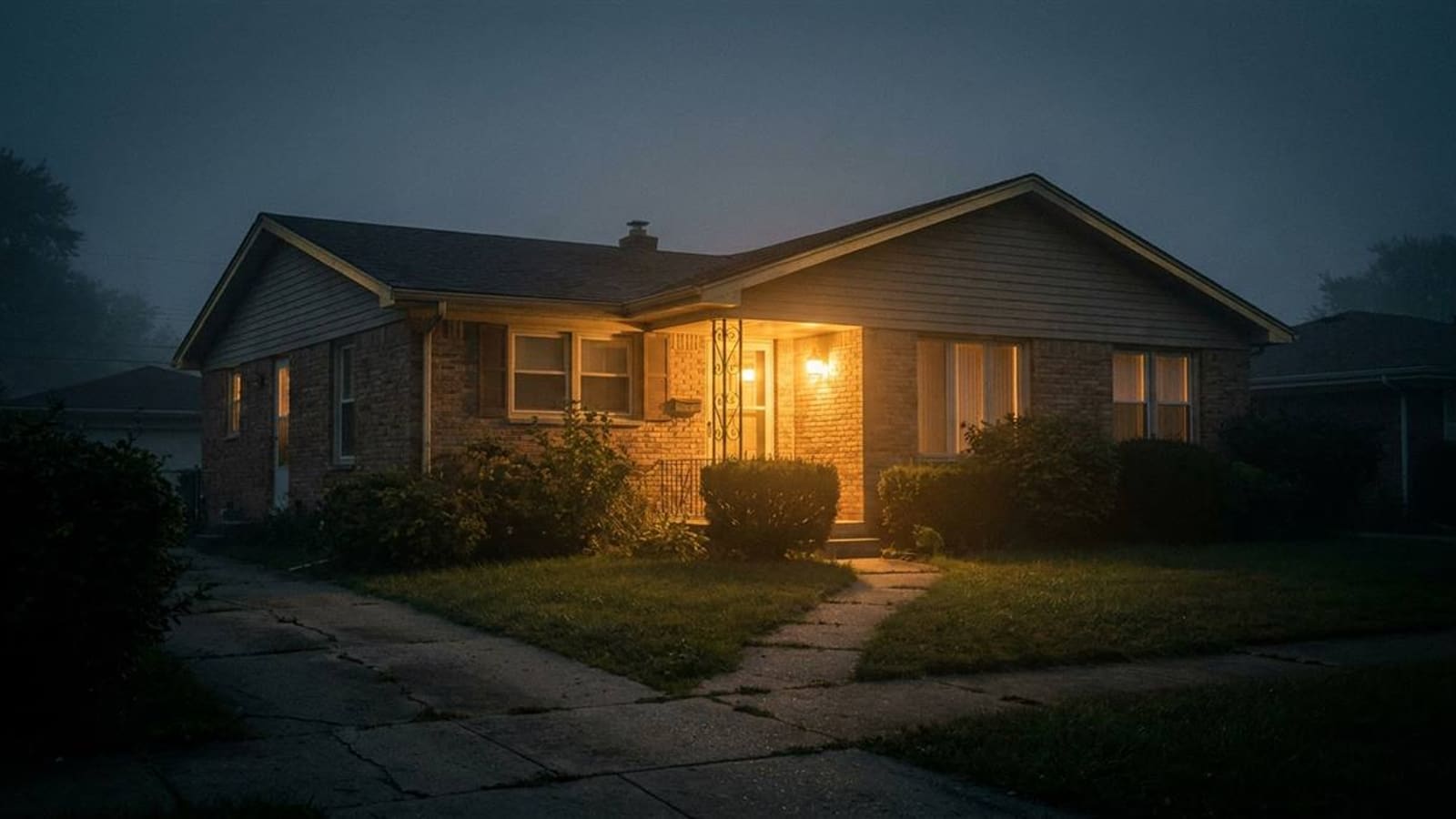
Between the yard signs and the online listings, most homeowners assume a traditional listing is the only way to sell. It is not. Selling your house off-market, directly to a buyer or investor without listing it publicly, can be faster and simpler, and in some situations it nets more once repairs, carrying costs, and commissions are counted. Here are five signs you should sell your house off-market, drawn from the situations we see most often across Dallas-Fort Worth and Oklahoma.
The short version
An off-market sale fits when the calendar matters more than the last dollar, when the house needs repairs a lender would not accept, when mortgage or tax payments have fallen behind and a deadline is approaching, when tenants are in place or the owner is done being a landlord, and when privacy and simplicity matter more than a bidding war. In each case the trade is the same: a direct buyer offers speed, an as-is purchase, and certainty in exchange for a price below full retail. When Mac Does REI buys a house off-market, the purchase runs through our principal buying arm, NTX Realty Trust.
Sign 1: You need to sell on a short timeline
If the move has a date attached, a job relocation, a divorce settlement, or a foreclosure calendar, an off-market sale is often the only way to hit it. The traditional process takes months from preparing the property to closing, and much of that time is outside your control: buyer financing, appraisals, inspection negotiations, and the listing period itself.
An off-market cash sale can close in days rather than months because there is no lender, no appraisal, and no listing period. That lets a seller move on faster and stops the carrying costs and stress from piling up while the house sits.
Sign 2: The house needs major repairs
Homes that need a new roof, foundation work, or significant cosmetic updates struggle on the MLS. Most retail buyers want move-in ready, and lenders will not fund a loan on a house that fails inspection or appraisal, which quietly removes most financed buyers from the picture. In North Texas and central Oklahoma, foundation movement on expansive clay soil is the repair that worries financed buyers most, and it is exactly the kind of item that turns a retail contract into a renegotiation or a cancellation.
Selling off-market means skipping the repairs. NTX Realty Trust buys houses as-is: no cleaning, no repairs, and no appraisal required. The offer reflects the condition, but so would any retail offer after the inspection, and this way there is no renovation to fund or manage first.
Sign 3: Mortgage or property tax payments have fallen behind
When a homeowner has fallen behind on the mortgage or property taxes, time is working against them. Arrears grow, fees stack up, and foreclosure and tax sale calendars do not pause for a listing. Traditional agents are not always equipped to handle arrears, liens, or foreclosure deadlines.
The timelines differ by state. In Texas, most home loans are secured by a deed of trust that allows non-judicial foreclosure, so the path from missed payments to a trustee’s sale can be short. Oklahoma foreclosures more often run through the courts, which takes longer but still ends at a sheriff’s sale if nothing changes.
Off-market buyers who work in pre-foreclosure situations can often structure a purchase that pays off the arrears at closing, sometimes using creative financing, even when an auction date is close. Our post on how to sell with tax liens on your property walks through how liens get resolved at closing.
Sign 4: There are tenants in place, or you are done being a landlord
Selling a tenant-occupied house on the open market is hard. Showings disrupt the tenant, and retail buyers often insist the tenants be gone before closing, which puts the seller in the middle of a lease they cannot simply end. In Texas, a lease generally survives the sale, so a new owner steps into the landlord’s role rather than the tenant being displaced.
An off-market buyer can purchase with the tenants in place, honor the lease, or work with the seller on a smooth transition. No eviction is required. Our guide to selling a rental property with tenants in Texas covers what a landlord can and cannot do along the way.
Sign 5: You want a private, simple transaction
Sometimes the reason is simply privacy. No sign in the yard, no weekend walkthroughs, no neighbors wondering, and no rounds of renegotiation after an inspection. It also avoids the public record of listing history, price cuts, and days on market that follows a house around online.
Off-market deals are private and flexible. The seller picks the closing date and the move-out timeline, and the buyer handles the details. For homeowners who value convenience over squeezing out the last dollar, that trade is often an easy one.
Frequently asked questions
How fast can an off-market sale close?
Often in days rather than months, because there is no lender approval, no appraisal, and no listing period. The title company’s timeline is usually the only constraint.
Do I have to make repairs to sell off-market?
No. Off-market buyers such as NTX Realty Trust purchase houses as-is, and the offer accounts for the condition instead of requiring the seller to fix it first.
Can I sell a house off-market with tenants living in it?
Yes. An off-market buyer can take the property with the lease in place, so no eviction is needed and showings do not disrupt the tenant.
Where we land on it
Selling off-market is not only for distressed properties. It is for anyone who values speed, simplicity, and certainty, whether the reason is a deadline, a repair list, a tenant, or just wanting a quiet exit. For a look at the other side of the decision, read listing versus a cash offer in DFW. When you are ready to see what a direct sale looks like for your house, request a no-pressure cash offer and we will walk you through the options. Nothing here is legal or tax advice; if foreclosure, liens, or a lease are in the picture, talk to an attorney about your specific situation.
Enjoying these? We publish straight talk like this twice a week. Follow us on Linktree to keep up with everything we are working on, from new tools to new markets.